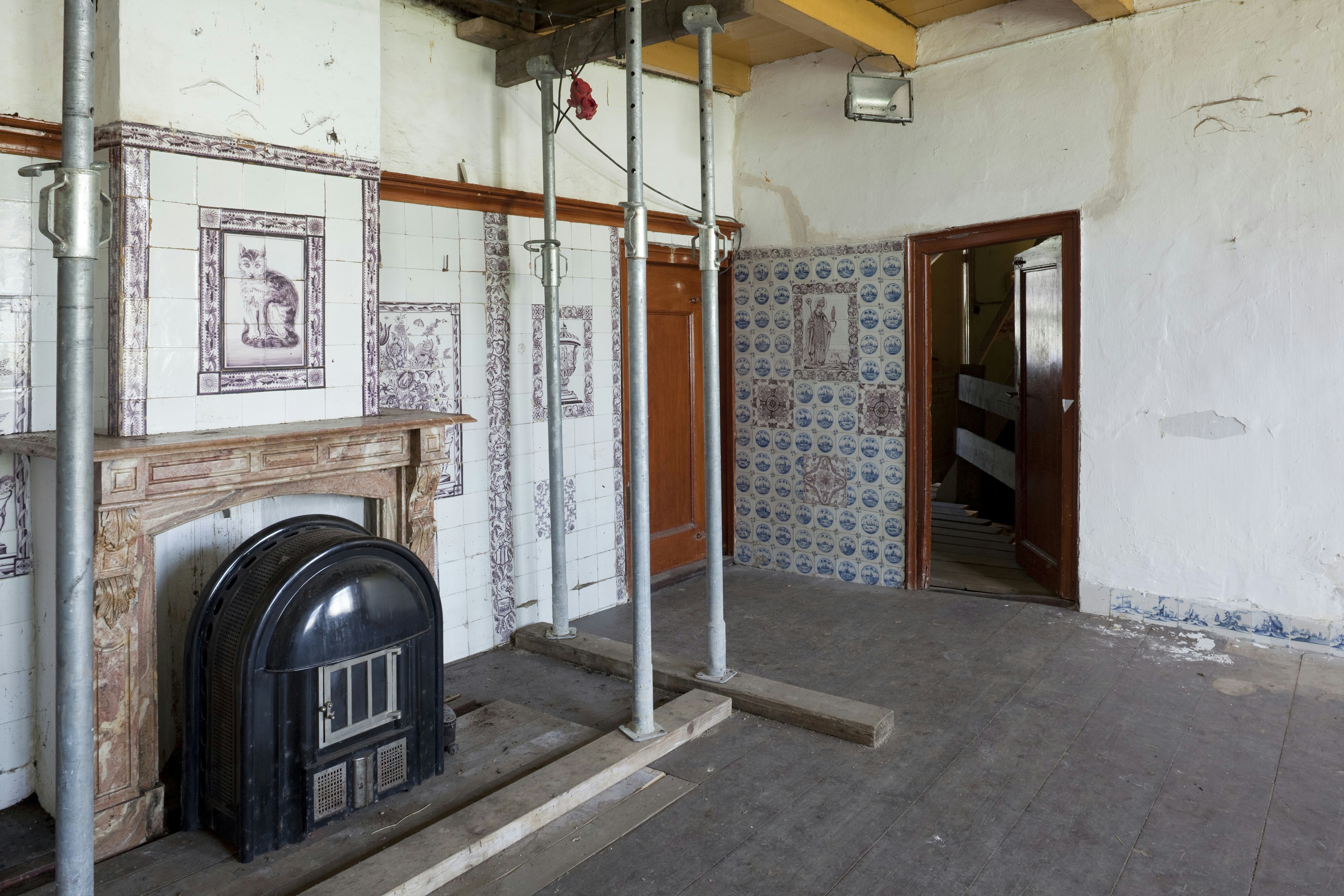

First, the stove
On a cold morning, a Dutch home did not warm up by itself. Someone had to see to the stove. Were there still embers from the night before? They might be revived. If the fire had gone out, the work began again, with paper, kindling and small amounts of coal added carefully.
In a recollection published by the Brabants Historisch Informatie Centrum (BHIC), Aart Vissers describes filling the coal scuttle and emptying the ash pans as a twelve-year-old. His father would try to get the fire going in the morning. Only then did the living room become comfortable.
Warmth did not arrive at a set time. Someone had to make it happen.
A visit from the coal merchant
Before the stove could burn, the coal had to be delivered. The coal merchant brought the supply in heavy sacks. Where it went depended on the home: a coal shed, a store cupboard or a cellar.
A delivery was quite an event. In an account published by Online Museum De Bilt, newspapers were laid on the floor to protect the carpet from coal dust. The delivery men carried the sacks inside, wearing a carrying strap or sack around their heads for protection.
Fuel took up space and left its mark. Heat did not yet arrive unnoticed through a pipe. You could see the winter supply piled up.
Coal ‘nuts’ and egg-shaped briquettes
Coal came in several forms. Dutch households could buy anthracite, egg-shaped coal briquettes known as eierkolen, and coke. Anthracite was sold in different sizes, referred to as nootjes: literally, little nuts.
The right fuel depended on the stove. Different fuels also needed different handling. Experience mattered: knowing how your own stove behaved helped you maintain the fire and make the supply last.
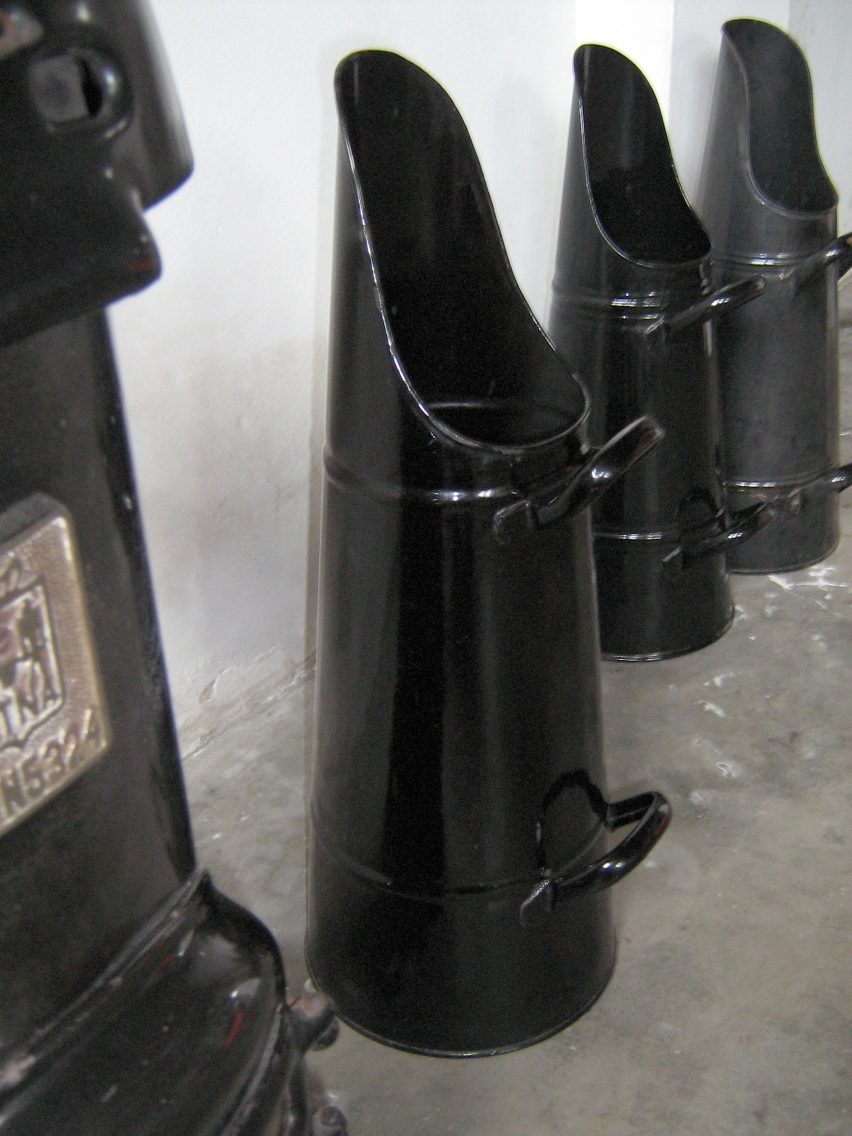
Beside the stove stood the kolenkit, or coal scuttle, a metal container used to fetch a smaller quantity from the main stock. Refilling the stove was a household chore, like washing up or sweeping the floor.

Keeping the fire alive
A coal stove needed attention. More coal had to be added, ash removed and the grate kept clear. A poker helped tend the fire.
Some families kept their stove burning day and night for a spell. Others let it burn out in the evening and lit it again the next morning. There was no single routine followed in every home.
In Rini de Groot’s memories of a Leuvense stoof, a traditional cooking and heating stove used in Brabant, a coal briquette was placed on the fire before bedtime to leave embers for the morning. He also describes sifting the ashes to recover pieces of coal that could still be used. Fuel that could provide more warmth was worth saving.
A warm room, a cold bed
The stove mainly heated the room in which it stood. In many homes, that meant a warm living room and cold bedrooms.
Vissers remembers frost patterns on bedroom windows during severe winter weather. They evoke a home where warmth was unevenly distributed: downstairs you could sit by the stove; upstairs, a cold room awaited.
That single source of heat also shaped the way people used their home. It is easy to imagine preferring to stay in the living room with a book on a winter evening rather than sitting somewhere on your own.
Leaving the door open let hard-won warmth escape. ‘Shut the door!’ was an understandable request.
Heating water, too
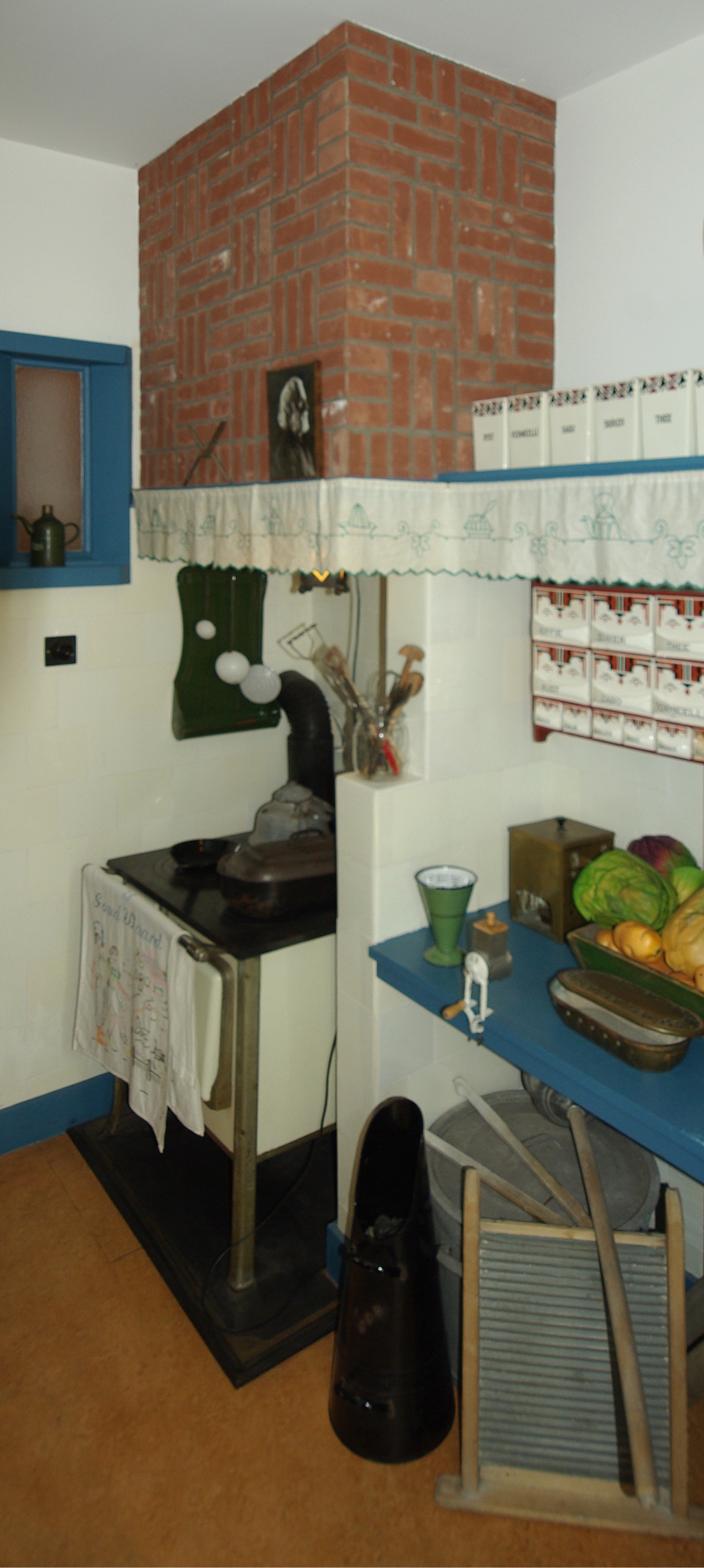
Coal-burning appliances came in different forms. A living-room stove was different from a kitchen stove or a cooking stove with space for pans.
De Groot describes heating the washing-up water on the Leuvense stoof. Its warmth served more purposes than making somewhere comfortable to sit.
That gave the stove a particular place in the household. It demanded attention, but many everyday activities were also organised around it.

There was cleaning behind the comfort
A coal fire could be pleasant. It also brought dust and dirt. The ash pan needed emptying, the stove needed cleaning and the chimney required maintenance.
Vissers also mentions cleaning the small mica windows, which became obscured by soot. His memory of the warmth sits alongside his memory of all the dust.
In nostalgic pictures, the family is already sitting beside a burning stove. The work before and afterwards easily disappears from view. Someone had fetched the fuel. Someone would later clear up the mess.
The switch to gas
The discovery of the large natural gas field near Slochteren in 1959 marked the beginning of a change in the Netherlands. The nationwide conversion followed over the next few years, as pipelines were laid and homes connected to gas from Groningen.
Dutch households had used gas before this discovery: many municipalities already had networks supplying manufactured town gas. What changed was the widespread availability of natural gas.
The transition did not happen everywhere at once. Some households used an oil stove in between. Installing a gas stove did not necessarily mean installing central heating, either. But for more and more families, the coal sacks, scuttle and ash pan disappeared from daily life.
As radiators spread to other rooms, the whole home changed. The bedroom no longer had to be the cold destination at the end of the evening.
What people remember
The coal stove provided warmth in a particular place. You could walk over to it, hold your hands near it and hear someone topping it up.
Those who lived with one may remember the comfort above all. Others think of blackened hands, carrying coal or getting up in a cold house.
Both memories belong to the story. The warmth was real. So was the work.