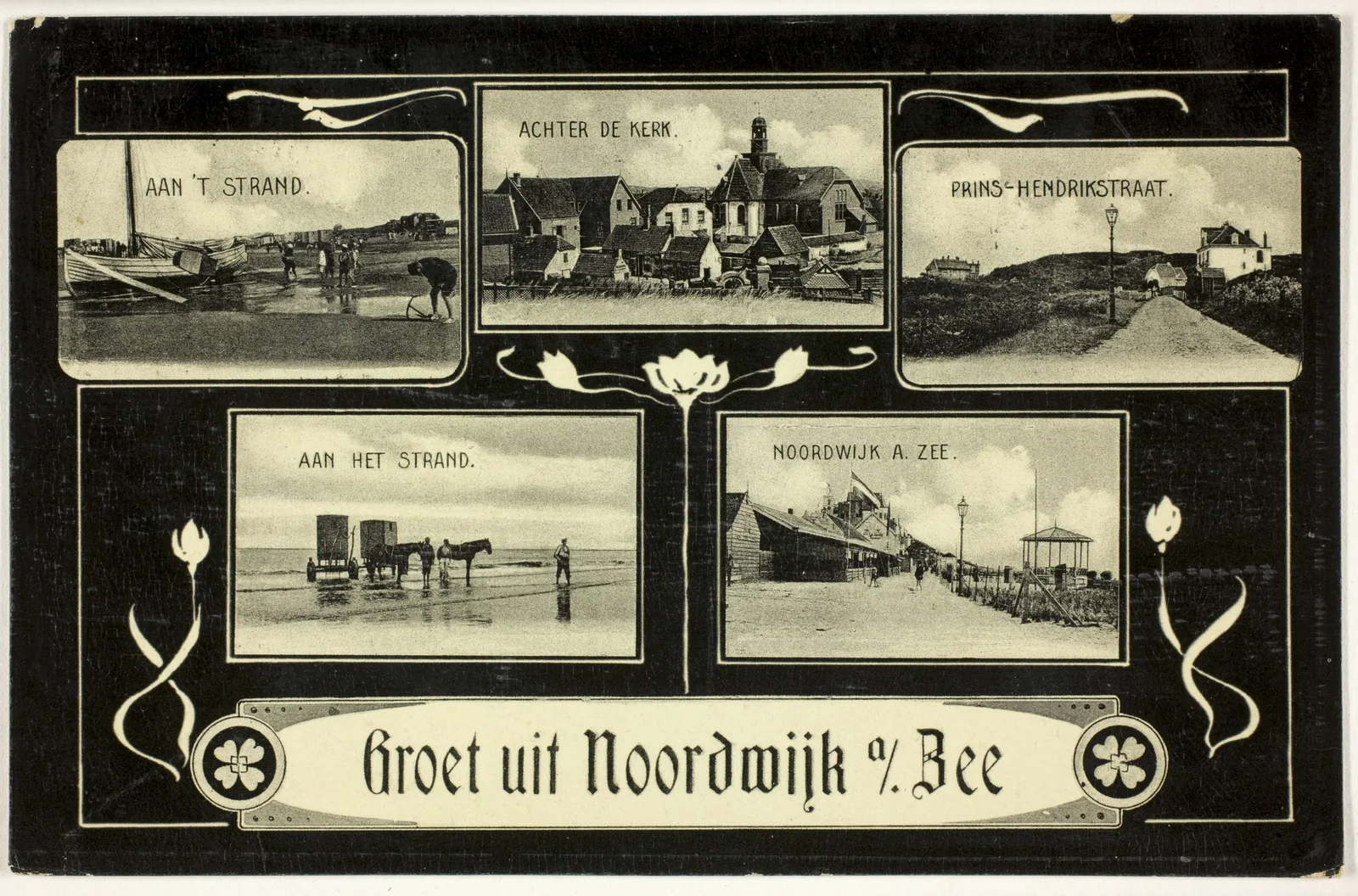

On the rack outside the campsite shop, they were all there: the beach at sunset, the promenade, the hotel pool and an aerial view of the resort. Some cards had one large picture. Others squeezed five or six photographs into colourful frames, with Greetings from written above them in decorative lettering. You turned the rack a few times. Which card would Grandma like? And which one was for the neighbours watering the plants?
First, the addresses
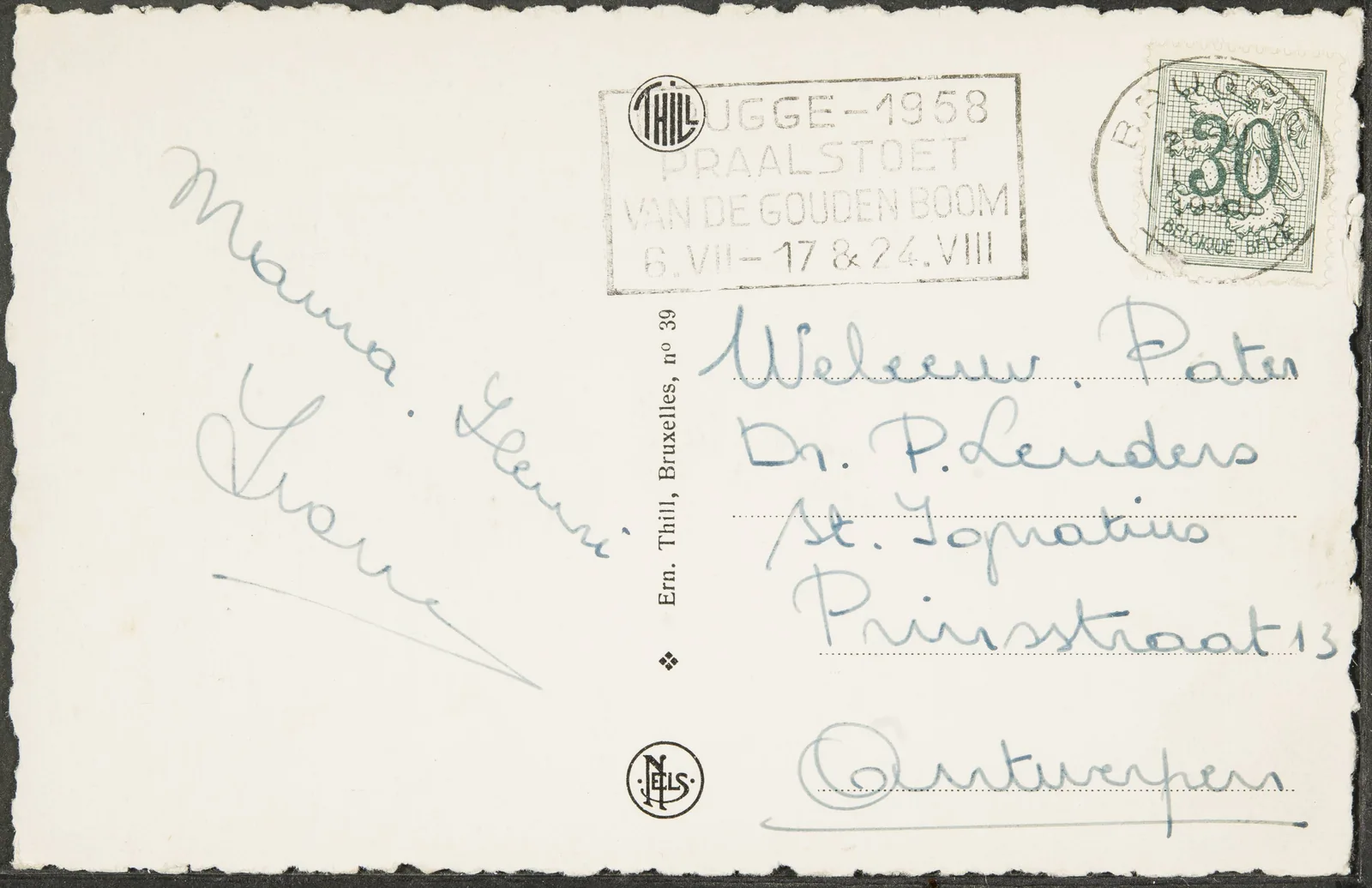
To send cards, you had to bring the addresses with you. They were in a little address book, on a scrap of paper among the travel documents or on a list hastily written at home. Forgotten a postcode? You called home or took a chance. For a card sent from abroad, you also had to find the right stamp. At a kiosk, you pointed to the card and said something like: ‘For the Netherlands, please.’
You wrote at a café table, on a balcony or in the caravan in the evening. A pen that barely worked, a card with too little space, and five addresses still to go. Many messages were similar: ‘It is lovely here’, ‘We have beautiful weather’ and ‘Love from all of us’. When it rained, the weather might diplomatically be described as ‘changeable’. Meanwhile, the chosen picture told a bigger story: look where we are.
.jpg)
The postbox as the final stop
Then came the search for a postbox. Sometimes there was one at the hotel or reception desk; sometimes you had to walk a little way. On the way back, someone remembered that an aunt needed a card too. Or that the stamp on Grandpa’s card was crooked. That did not matter, of course, but it was part of the ritual: the cards really had to be posted before the holiday ended.
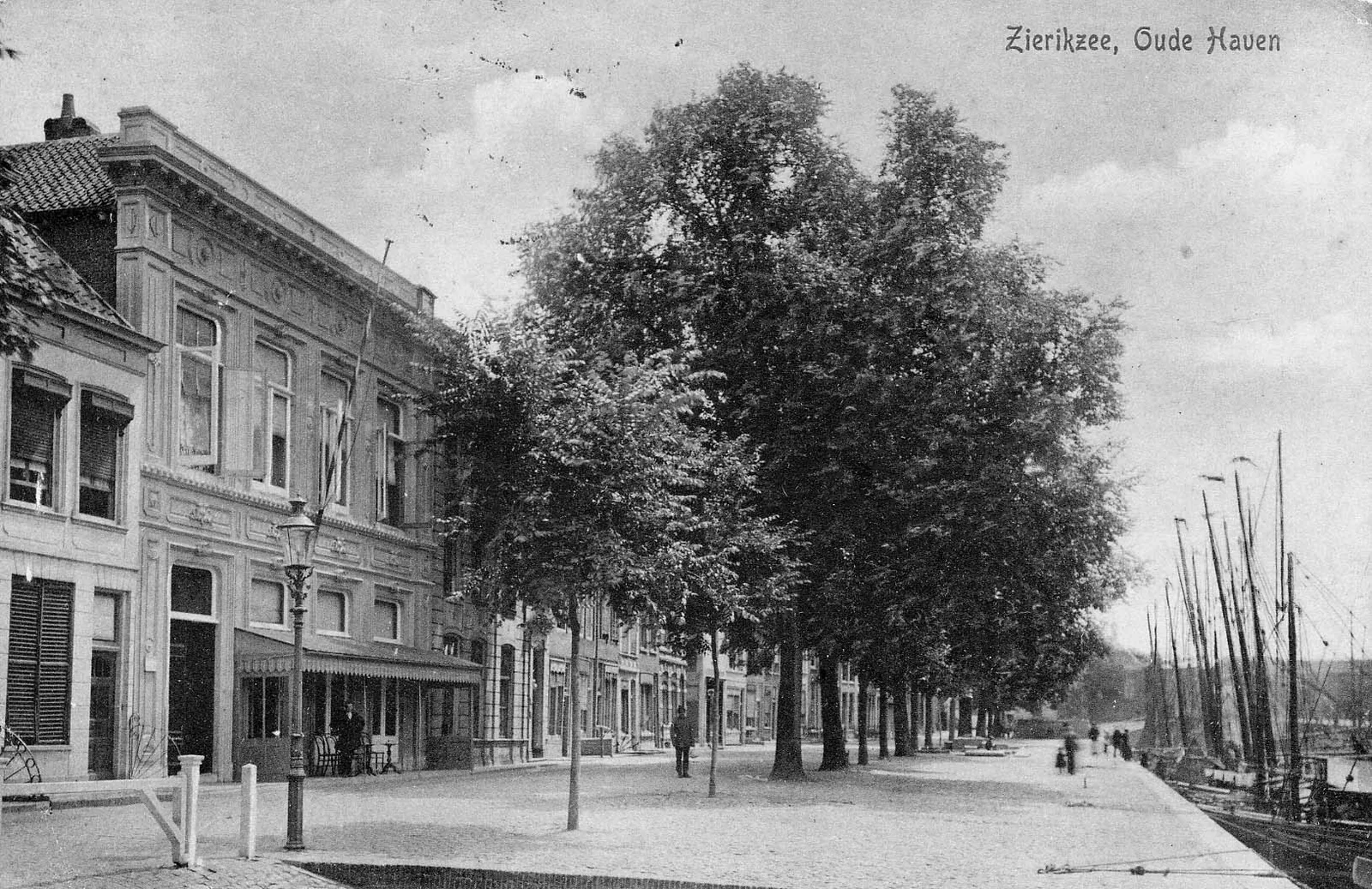
At home, it was a matter of waiting. The card might arrive while you were still away, or only after the suitcases had been unpacked. Once delivered, it went on the mantelpiece, under a fridge magnet or on the kitchen noticeboard. The message was often short. The handwriting, choice of card and postmark made it personal.

‘Greetings’ have not disappeared
Later, it became easier to send news directly from your holiday. First with a phone call, then a text, and now a photograph or voice message. You can show the whole family the view from your terrace at once. The postcard lost its automatic place on the holiday checklist, but it did not disappear. You can still buy, write and send cards.
Perhaps the small effort is precisely the reason to do it occasionally. You choose a card for one person, find a pen, write the address and send the message on its journey. The recipient holds something you briefly held yourself. Years later, just such a card may turn up among old papers: ‘All well here. Off to the beach tomorrow. Best wishes!’