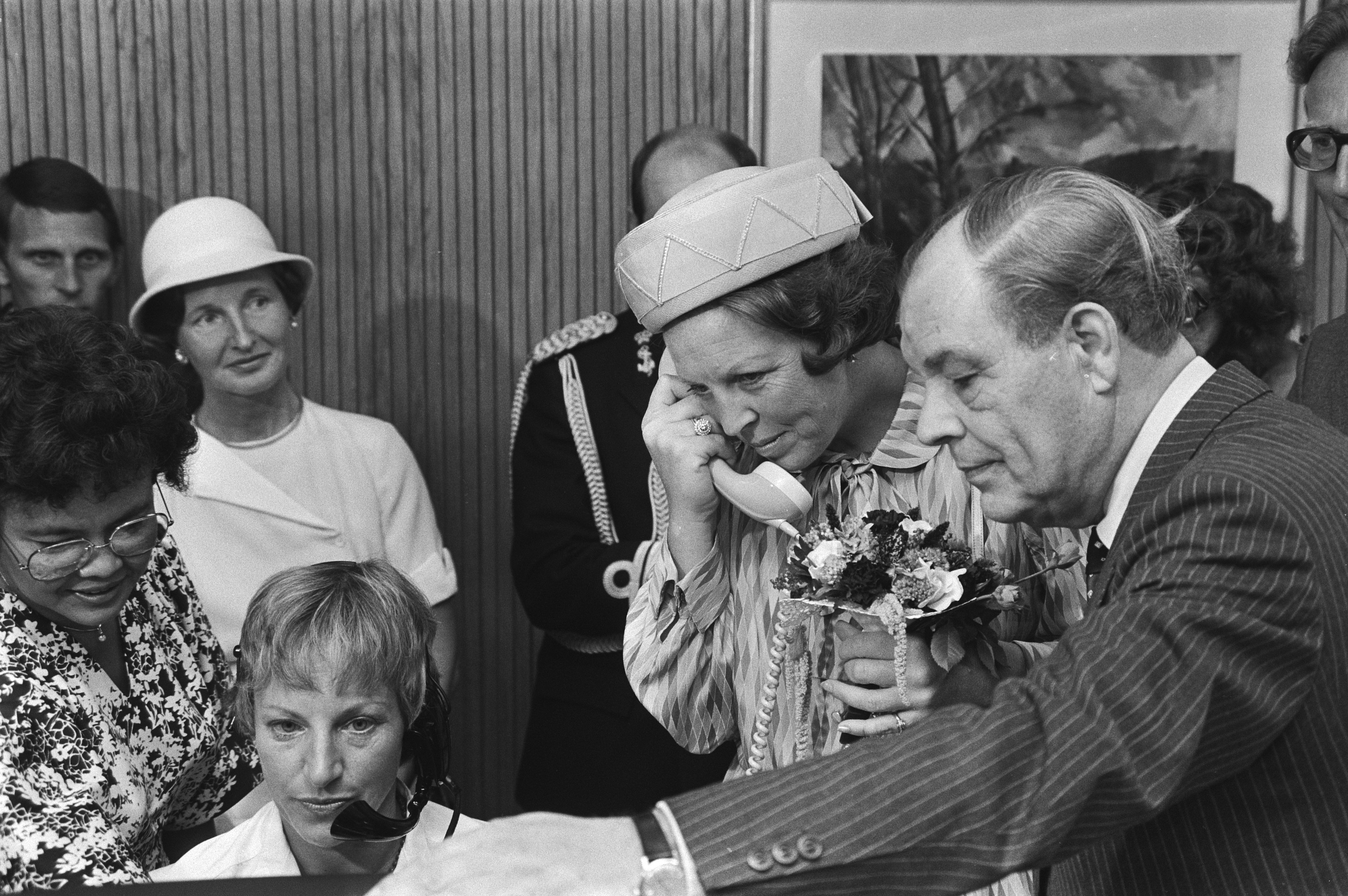

Beside the telephone there was often a small collection of essential things: an address book, a notepad and a pen. The telephone directory stood nearby, with thin pages and tightly packed columns of names that you followed down with your finger.
But not every number appeared in the directory you had at home. You might be looking for someone in another town, a business whose exact name you did not know or an acquaintance who had recently moved. That was when directory enquiries could help.
For many Dutch people, that meant one number: 008.
Finding a telephone number took an extra step
Today, typing a shop’s name into a search engine often brings up a button you can tap to call. In the past, you first had to find out which number you needed.
For regular contacts, you kept an address book: family, friends, the doctor, perhaps the garage. You knew frequently used numbers by heart. Others were written on scraps of paper, the backs of envelopes or cards tucked beside the telephone.
The printed telephone directory filled the gaps in that personal network. You searched by surname, checked the initials and looked at the address. A common surname could mean quite a bit of searching.
Directory enquiries helped when you could not find the number yourself. You called one person so that you could call another.
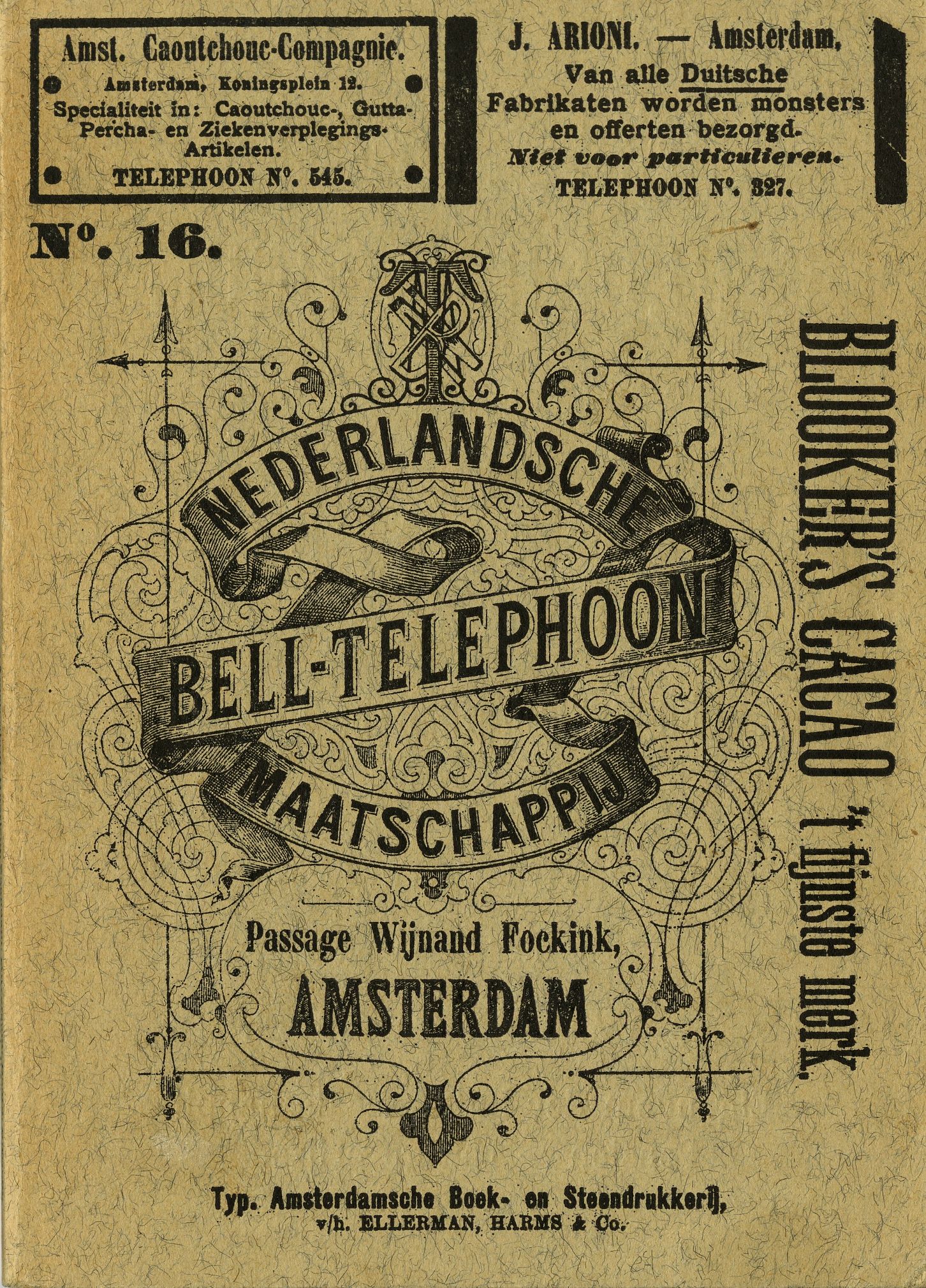
Nederlandsche Bell Telephoon Maatschappij / Geschiedenislokaal · CC BY 2.5
.jpg)
“Which town?”
The conversation depended on a few details: who were you looking for, and where?
A surname alone was usually not enough. With common Dutch names such as Jansen or De Vries, you needed more information. The town helped, a street name could make the difference, and sometimes you had to spell the name.
A conversation might go something like this:
“I’m looking for the Van Dijk family in Haarlem.”
“Do you know the street as well?”
“I think they live on Rijksstraatweg.”
That exchange made directory enquiries different from a recorded announcement. Someone listened, asked a follow-up question and tried to work out which listing you meant.
There were limits. You could not simply obtain an unlisted number. Directory enquiries provided access to available subscriber details; it was not a way to track down anybody you chose. That restriction was also included in the official description of the service.
Hold on, I’ll get a pen
The crucial moment came when the number was given. You had to be ready.
With the receiver in one hand, you searched for a pen with the other. Naturally, the notepad was just out of reach. You pulled it closer, wrote down the digits and asked for them to be repeated if you were unsure.
Mishearing a digit could mean reaching somebody else. Or nobody at all. Careful note-taking was particularly useful when the number included an unfamiliar area code.
Then you hung up and made the actual call. On a rotary telephone, you dialled the number you had just written down, digit by digit. The scrap of paper stayed beside the phone. Perhaps you later copied it neatly into your address book. Perhaps it stayed there for weeks.
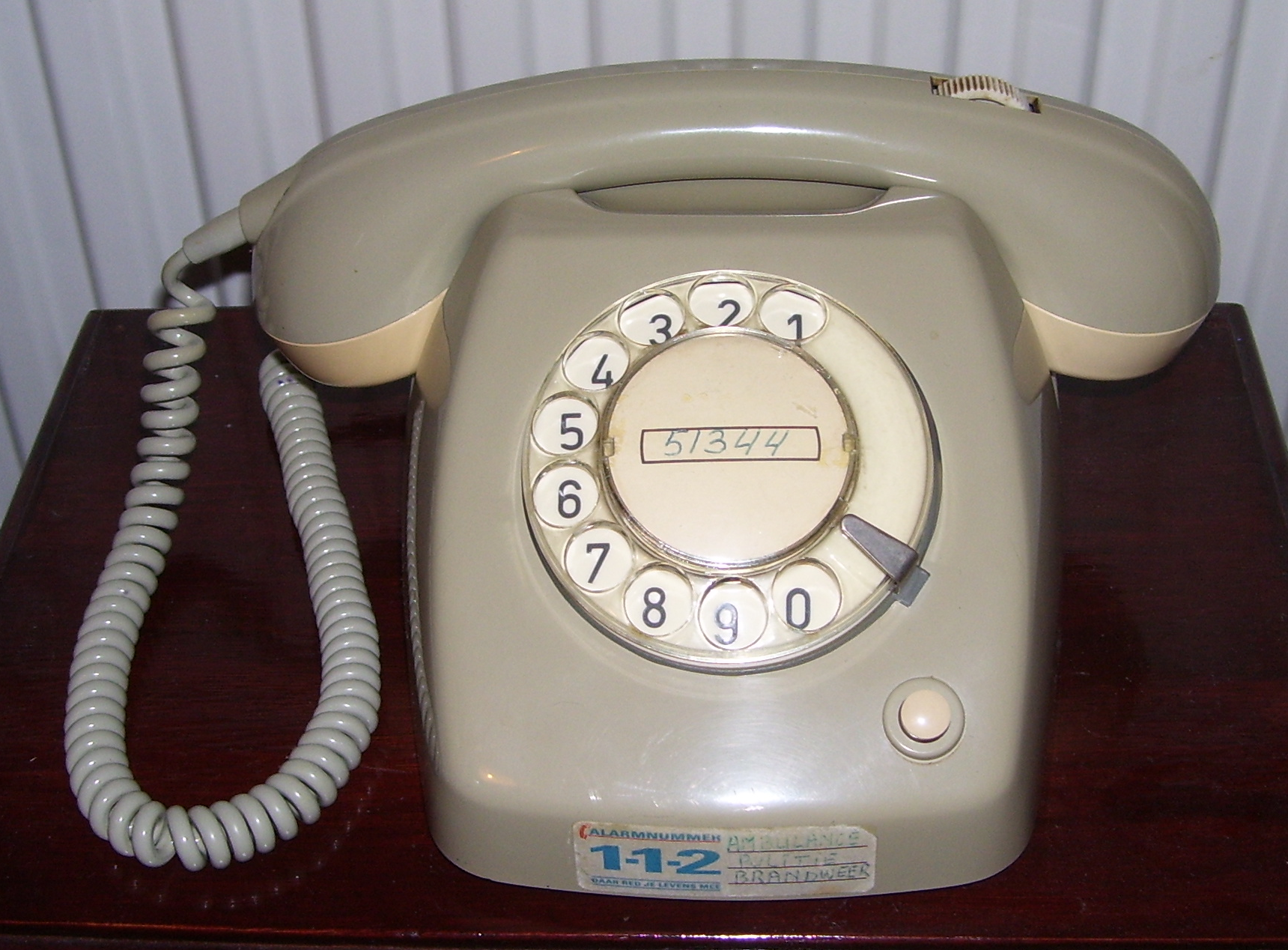
Zutje · CC BY-SA 3.0

A large organisation behind 008
On the telephone, you heard one voice. Behind it was a substantial service.
A newspaper report from September 1991 stated that PTT Telecom’s directory enquiries service received around 65 million calls a year. It then employed approximately 1,600 part-time staff, with more than 650 operator positions. According to the report, the service was available seven days a week, from eight in the morning until ten at night.
Those figures give some idea of the place directory enquiries held in everyday Dutch life. Millions of people used it.
For the staff, the job involved listening, searching and clarifying over and over again. An incomplete business name, a surname with an awkward spelling or a town name that had been misheard: a simple request could require quite a bit of detective work.
The familiar number changed
Even the number you called to ask for telephone numbers did not stay the same.
PTT Telecom announced that 008 would change to 06-8008 from 1 November 1991. The two numbers would continue alongside each other for a while. The change was linked to the European agreement to use 00 as the international dialling prefix. Existing Dutch service numbers beginning with 00 had to make way.
Later, 0900-8008 and 118 also became familiar Dutch directory enquiries numbers. In 2007, 118 gave way to services using four-digit numbers in the 18 range. Introducing that range was intended to give providers more equal opportunities to compete.
For callers, it mainly meant learning another number. The need remained familiar: speaking to someone whose telephone number you did not have.
From looking up to clicking
The internet changed that habit. Businesses put contact details on their websites. Search engines made it easier to find a shop, organisation or restaurant. Mobile phones stored our contacts.
The connection between a person and a fixed telephone at home also became less straightforward. A family often used to share one number. With mobile phones, each family member could be reached individually.
Telephone directory enquiries still exist in the Netherlands. A service such as 1888 looks up numbers and offers to connect callers. It is a paid service; the provider’s website lists the current rate.
For many people, though, the old ritual belongs to a telephone world that has faded away: a fixed telephone in the hallway, a thick directory on a shelf and a pen that failed at precisely the wrong moment.
And that brief preparation before you called.
You pulled the paper towards you, tried to remember the street name and dialled 008.