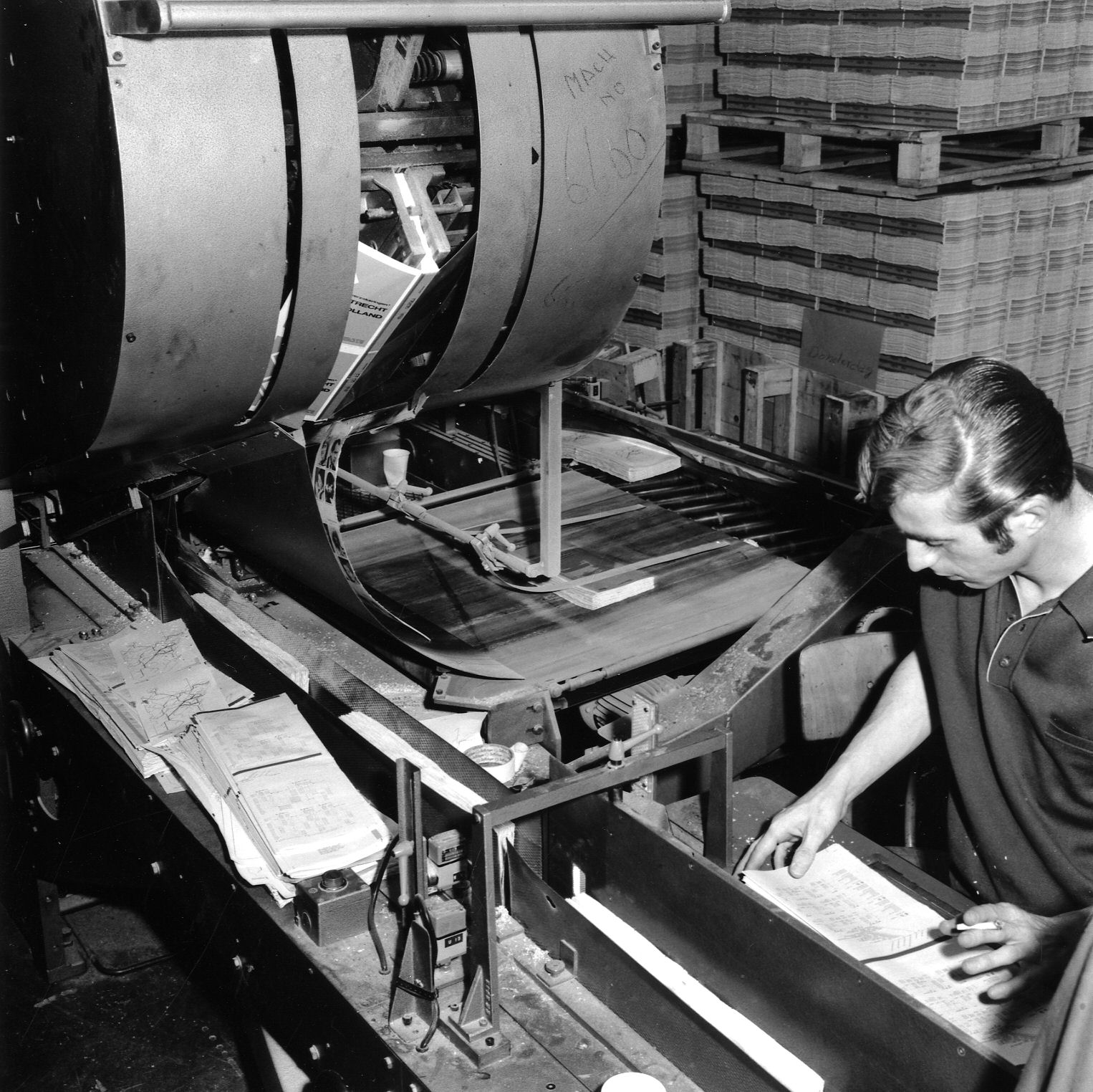
_te_Utrecht.jpg)
You wanted to visit relatives on Sunday. Or spend a day in a town you did not often visit. When did you need to leave? And could you still get home that evening?
You reached for the timetable book, known in Dutch as the spoorboekje. You opened the right table, found your departure station and followed the column down. Station names marked the journey. If you needed to change trains, the search continued on another page. Gradually, a route emerged: take this train, change there, then carry on.
It was an ordinary part of preparing for a trip, but it required a little time at the table.
A country of trains between two covers
A railway timetable book brought together schedules in numbered tables. Stations and train times appeared side by side. A railway map helped you find your route; table numbers pointed you to the relevant pages.
You had much more in front of you than a single journey recommendation. You could see what lay farther along a line, when the first train left and when the last one returned. A place you had never visited suddenly became a manageable distance away: so many stations and one change of train.
The book gave the railway network a shape you could hold. For a moment, the country consisted of lines, junctions and departure times.
Reading with your finger
Opening a timetable for the first time meant facing a mass of small figures. The pages were densely printed. You needed to understand how the tables worked and what to look out for.
Usually, you followed a train down a column past the stations. Reading across let you compare different departures. But not every train ran every day. Symbols and footnotes might tell you that a service ran on weekdays only, on Sundays, or during a particular period.
Those small notes mattered. An appealing departure time could turn out to be useless on your travel day. A blank space did not necessarily mean the printer had forgotten a time: the train might pass through without stopping.
Your finger helped you stay on the right line. For a more complicated journey, you copied the times onto paper. Sometimes that slip went into your wallet. The book stayed at home; the carefully planned route travelled with you.
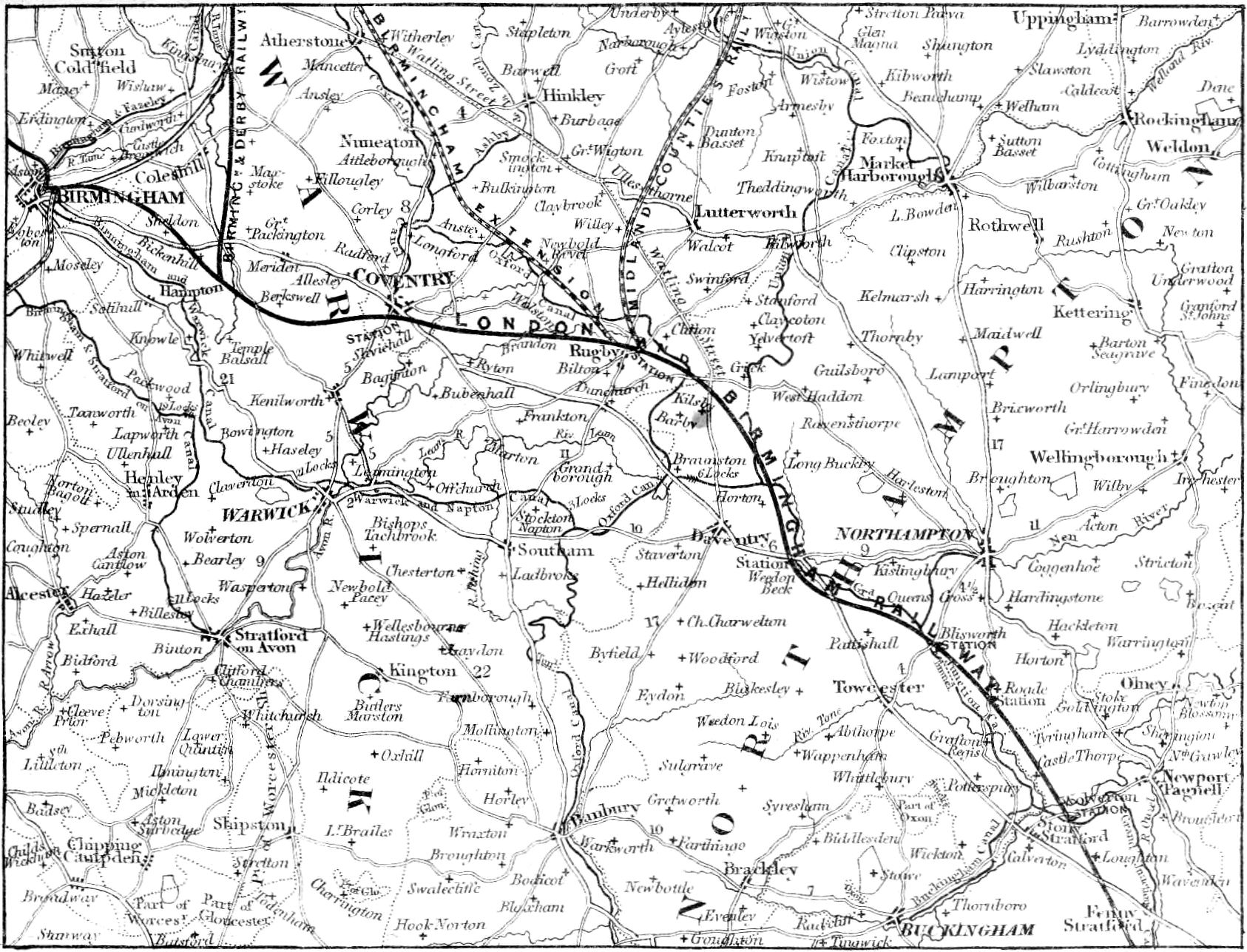
George Bradshaw · scan via Wikisource / Wikimedia Commons · Public domain

Finding the connection yourself
A direct journey was usually straightforward. Changing trains made it a small puzzle.
First, you found your arrival time. Then you turned to the next line and checked which train you could catch. A four-minute connection looked attractive on paper, but was it sensible at an unfamiliar station? Perhaps you chose a later train, even if it meant a longer journey.
You repeated the process for the return trip. The last connection deserved particular attention. Missing a train during the day was inconvenient; late in the evening, it might mean you could not get home at all.
Not everyone enjoyed this detective work. You could also ask at the ticket office or telephone for travel information. But once you understood the book, you could arrange a great deal yourself. Sometimes the satisfaction lay in discovering a connection: that day trip was possible after all.
Beyond the Netherlands
The timetable book was certainly not a Dutch invention. Printed schedules appeared in many countries with extensive railway networks. Their formats varied: national volumes, regional editions and books published by individual railway companies. Saying that every country had one would be too sweeping. Not every country had a railway, and not every railway system had a single comprehensive national book.
In Britain, the name Bradshaw became famous. George Bradshaw published his first railway timetables in 1839. Guides like these helped travellers piece together services operated by different companies. The National Railway Museum holds a substantial collection of timetable books and other railway schedules.
In Germany and Switzerland, the term Kursbuch became familiar. The tradition also extended beyond Europe. Japan's JTB timetable celebrated its centenary in 2025: the first issue appeared in April 1925. Indian Railways publishes an overview of important services called Trains at a Glance.
The lettering and station names might differ, but the activity was recognisable: turning pages, following a column and checking whether a connection worked.
Travelling without leaving home
For some people, a timetable was also something to read for pleasure. The tables were hardly gripping prose, but every route could become a journey.
You could work out how to travel from one end of the country to the other. Or see whether a detour along an interesting railway line would fit into a single day. An unfamiliar station name could be reason enough to keep turning the pages.
A practical book made room for imagination. While rain fell outside, you could already be on your way at the kitchen table. Planning a route did not require buying a ticket.
Paper could not change with the trains
The book also had an obvious limitation. Its printed times described the planned timetable. A delayed train did not suddenly appear later on the page. A cancelled service remained in print.
Engineering work and timetable changes required additional information. A book could still be within its stated period of validity without reflecting every circumstance affecting your journey.
A digital journey planner also made searching much easier. You entered your starting point, destination and time; the software found the connections. Live alerts and delay information followed. The work once done at the kitchen table moved onto a screen and eventually into your pocket.
Gone from NS, still available on paper
NS, the main Dutch railway operator, stopped publishing its printed timetable in December 2010. No new NS book appeared for the 2011 timetable. According to reporting by Dutch broadcaster NOS, only about one per cent of passengers were still using the yellow book at that point.
That did not bring the Dutch paper tradition to a permanent end. From 2013, the rail travel website Treinreiziger.nl and passenger organisation Rover published a printed timetable again. An edition also appeared for the 2026 timetable, produced in collaboration with Treinposities.nl.
Its survival makes sense. Some passengers like seeing a whole day's services together. Others prefer paper or appreciate a book as a reference. Current changes still require supplementary travel information.
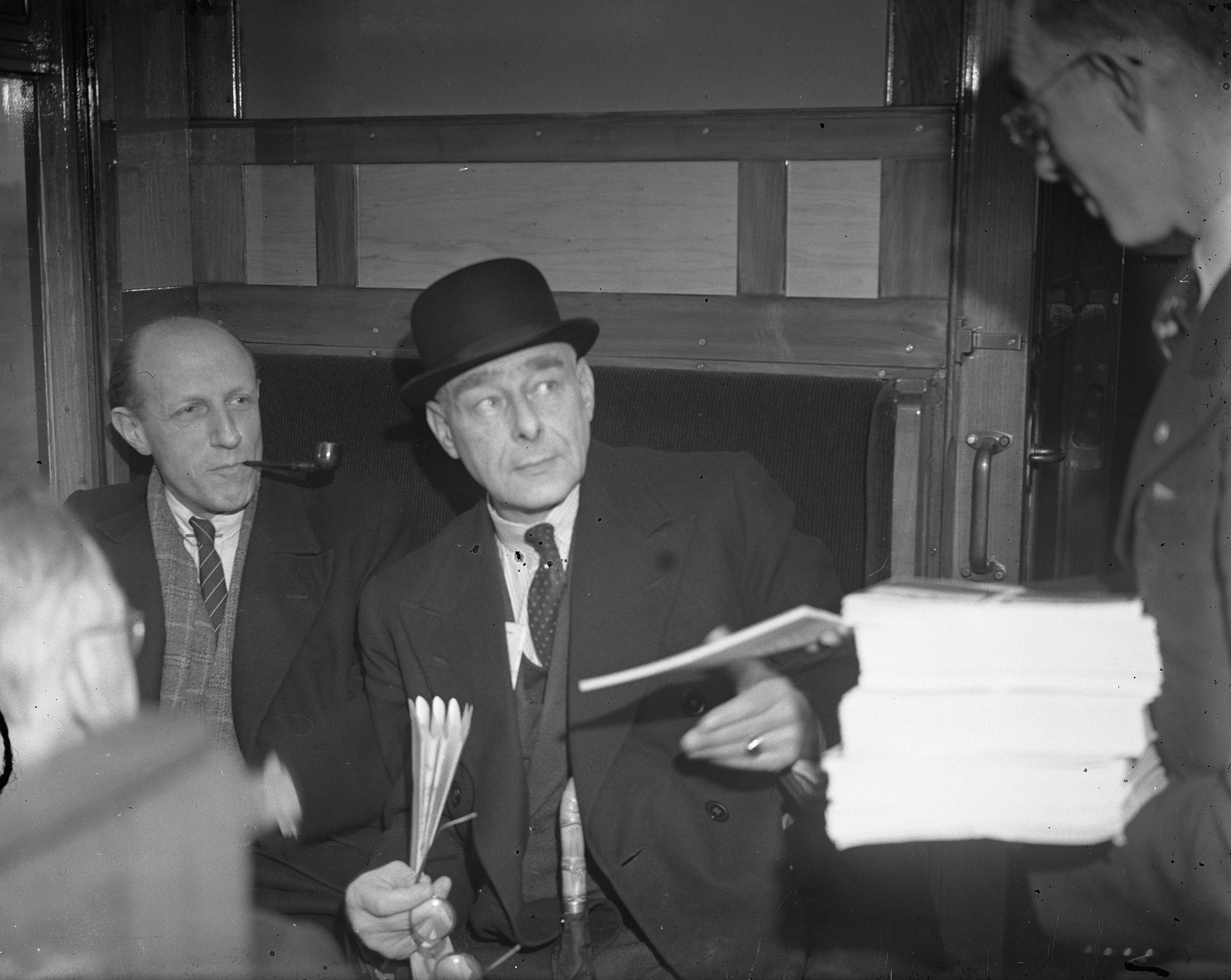
Jaap Herschel / Anefo / Nationaal Archief · CC0 1.0

An old timetable as a time capsule
An expired timetable cannot help you catch today's train, but that can make it all the more interesting. It shows which stations were served, which connections existed and how long a journey took.
For someone who once used it, there may be something else between the covers: the route to a first job, the station near relatives, the train to a holiday destination. Behind the tiny figures lie ordinary days that have long since passed.
Perhaps that is the printed timetable's most remarkable quality. It was made for looking ahead: how do I get somewhere later? Years afterwards, it lets you look back. At the trains of the time, but also at yourself, leaning over a page with your finger beside a departure time.